Opera is a blend of art forms: music, poetry, theatre, dance, and visual art. Its origin is usually traced to the 1598 premiere of Dafne in Florence, Italy, created by a team of Renaissance humanists with the explicit goal of creating a modern version of ancient Greek musical drama. So from its very first night, opera has always been a fusion of past and present.
Today, this is even more true. Audio and video recording technology means that we can bring great performances of the past into our present-day experience at the click of a button — whether a scratchy 1889 wax cylinder, a fiery 1955 bootleg, a sumptuous 1974 studio LP, or last week’s multi-camera HD broadcast. At the same time, mainstream opera houses have settled into a core repertoire of classic works ranging from the 1780s to the 1920s (with occasional excursions further back or ahead), so the majority of live performances around the world consist of material by “dead white men” from the long 19th century, reinterpreted by contemporary directors, designers, and performers.
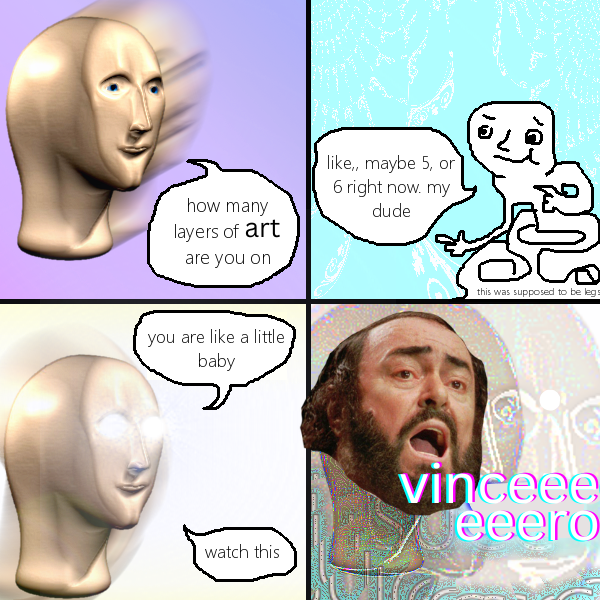
This is part of the reason why I call opera a 5-dimensional experience. Whether you are listening on headphones, watching a video, or seated for a live performance, you aren’t just receiving just one thing — your brain becomes like a TV tuned to multiple different channels simultaneously. You might be consuming all of these at once:
- the music the composer wrote
- the words the librettist wrote
- often, the original story by a different author that inspired the librettist, such as a play or novel
- in most cases, the libretto is in a different language, so you may be reading subtitles produced by a translator
- the imaginary version that you stage in your mind while reading or listening
- this director’s concept for their specific production of the opera
- which might be brand-new, or decades old
- which might shift the action to a different time or place, or include allusions to contemporary issues
- and which is executed by a team of designers: set, costumes, lighting, sound, props, choreography, projections, etc
- the specific performance created by all the artists and crew in your opera house on that day
- including the conductor, orchestra, singers, chorus, dancers, tech crew, stagehands, etc
- not to mention:
- all the versions you have seen/heard before (of this opera, this director, or this cast)
- all the past versions that this cast and crew have absorbed in their own lives, which have influenced their training, creative decisions, and performances
Even if you don’t like some element of what’s playing at this moment (which is almost inevitable), you can shift your attention to the elements you do like!
This process can be disorienting, but once you get used to it, it is the best feeling in the world.
 Music Drama